




How to Roast Coffee Beans at Home | Cuban Coffee Queen
Freshly roasted coffee is one of those things that’s hard to go back from once you’ve tried it. If you’ve ever wondered how do you roast coffee beans without a commercial roaster, the good news is you don’t need one — a skillet, an oven, or an air popcorn popper is all it takes to get started. This guide walks through exactly how to roast coffee beans at home, plus how to push your roast toward the bold, dark profile that makes traditional Cuban coffee so distinctive.
What You Need to Roast Coffee at Home
You don’t need specialized equipment to roast your own coffee. Most home roasters use one of three tools:
- A cast-iron skillet on the stovetop, for hands-on control
- A hot-air popcorn popper, which circulates beans for even roasting
- An oven, spreading beans on a sheet pan
You’ll also need raw green coffee beans (available online from specialty green coffee suppliers), a metal colander or two bowls for cooling, and a well-ventilated space — roasting produces smoke and coffee chaff, the papery skin that flakes off the beans as they roast.
How to Roast Coffee Beans at Home, Step by Step
- Preheat your equipment. For a skillet, heat it over medium-high heat. For an oven, preheat to around 450-475°F.
- Add the green beans in a single layer. Avoid overcrowding — beans need room to move so they roast evenly.
- Keep the beans moving constantly. Stir a skillet non-stop, shake a popcorn popper, or toss oven beans every couple of minutes. Uneven agitation is the number one cause of scorched, unevenly roasted coffee.
- Listen for first crack. Around the 4-6 minute mark, beans will start to pop audibly, similar to popcorn. This marks the beginning of a drinkable roast.
- Decide how far to take it. Pull the beans shortly after first crack for a light roast, a bit further for medium, or continue toward a second, quieter crack for a dark roast.
- Cool the beans immediately. Pour them into a metal colander and stir or fan them to stop the roasting process fast.
Most batches take between 8 and 15 minutes total, depending on your heat source and batch size.

Roasting the Cuban Way: Going Dark
Traditional Cuban coffee calls for a dark roast — one taken well past first crack and into (or right up to) second crack, a point the Specialty Coffee Association helps standardize through shared roast-profile terminology across the industry. This isn’t a matter of preference alone; it’s functional. Cuban coffee is brewed strong and whipped with sugar into a foam called espuma, and only a dark, bold roast has enough backbone to stand up to that sweetness without tasting flat or getting lost.
When roasting toward a Cuban-style profile at home:
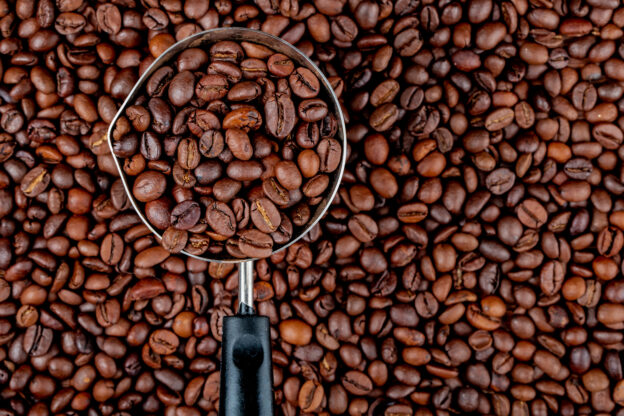
- Push slightly past second crack for a shiny, deep-brown bean.
- Expect more smoke and stronger aroma than a lighter roast — ventilate well.
- Cool the beans a little faster than usual, since dark roasts continue developing on residual heat longer than lighter ones.
Once you’ve roasted (or if you’d rather skip the smoke and let the professionals handle it), you can put that dark roast to work with our recipe for authentic Cuban espresso, the small, sweet shot known as a cafecito.

Cooling and Resting Your Beans
Roasted coffee isn’t ready to brew the moment it comes off the heat. Beans release carbon dioxide for a day or two after roasting, a process called degassing, and brewing too soon can result in uneven extraction. Most home roasters let beans rest 12 to 24 hours before grinding, and coffee generally tastes best within two to four weeks of its roast date.Store finished beans in an airtight container away from light and heat — not in the fridge or freezer, which introduces moisture that dulls flavor over time.
Common Home Roasting Mistakes
- Roasting too much at once. Overloaded batches roast unevenly because heat can’t reach every bean.
- Walking away. Roasting can go from perfect to burnt in under a minute, especially near second crack.
- Skipping ventilation. Roasting smoke is stronger than most people expect, especially with darker roasts.
Brewing immediately. Skipping the rest period leads to a flat, sometimes sour cup.
FAQ
You can roast coffee beans at home using a cast-iron skillet, a hot-air popcorn popper, or an oven, as long as the beans are kept moving constantly for even roasting.
Most home roasting methods take 8 to 15 minutes, depending on the heat source, batch size, and desired roast level.
? It can be, with good ventilation. Roasting produces smoke and chaff, so many home roasters prefer to roast near an open window, under a range hood, or outdoors.
Cuban coffee is brewed strong and sweetened with whipped sugar (espuma), so a dark roast provides the bold flavor needed to balance that sweetness rather than being overwhelmed by it.
Yes. Freshly roasted beans release carbon dioxide for a day or two, so resting them for 12 to 24 hours before grinding leads to a more balanced cup.
Specialty green coffee retailers online are the most common source. If home roasting feels like too much smoke and guesswork, our own small-batch roasted coffee is roasted fresh in Key West and dialed in specifically for Cuban-style brewing.
Bring It Full Circle
Roasting your own coffee is a rewarding way to understand exactly what goes into every cup — and it gives you a new appreciation for how much skill goes into getting a dark, Cuban-style roast right. Resources like the National Coffee Association’s roasting guide and Sweet Maria’s Coffee Library are excellent next steps if you want to go deeper into roast science and technique.Once you’ve got your beans roasted (or if you’d rather skip straight to sipping), see how to make Cuban coffee the traditional way, from the moka pot to the whipped-sugar espuma that makes it unmistakably Cuban.